What is Pancreatic Cancer?
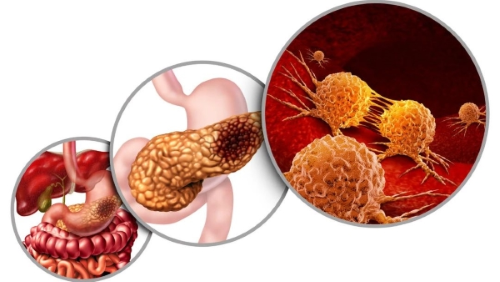
Pancreatic cancer is a malignant tumor originating from the ductal epithelium and acinar cells of the pancreas, known in the medical community as the "king of cancers." Its exact cause is not entirely clear, but studies indicate that factors such as long-term smoking, poor dietary habits, high body mass index, and chronic damage to the pancreas may increase the risk. Symptoms of pancreatic cancer typically appear only after the disease has reached an advanced stage, including jaundice, weight loss, and abdominal discomfort or pain.
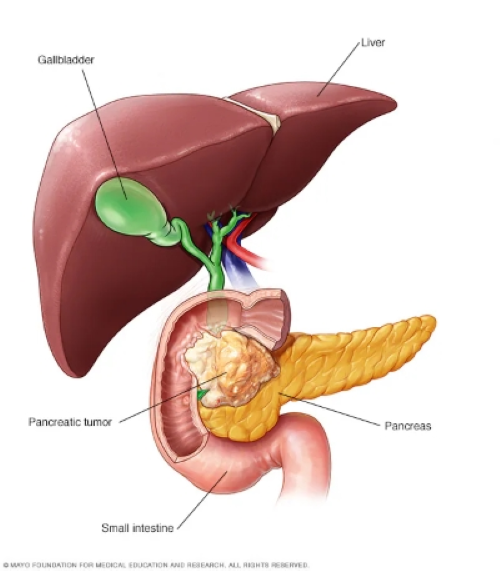
Treatment methods for pancreatic cancer include surgery, chemotherapy, radiotherapy, interventional therapy, and supportive care. In most diagnosed cases, patients show no obvious symptoms in the early stages, leading to diagnosis at an intermediate or advanced stage where surgical intervention is often no longer an option. When planning treatment, doctors develop personalized comprehensive treatment plans based on various factors such as the patient's overall health, tumor location, and size. Current disease prevention primarily focuses on maintaining healthy lifestyle habits to reduce the risk of developing pancreatic cancer.
Trends of Pancreatic Cancer in Indonesia
1. Incidence Rate and Global Proportion
o Absolute Case Numbers: In 2018, there were approximately 4,940 new cases of pancreatic cancer in Indonesia, accounting for 2.3% of the global total (global: 214,499 cases).
o Incidence Level: Significantly lower than in East Asian countries like China (54.2%) and Japan (20.1%), but higher than the Philippines (1.5%), placing it at a medium level within Southeast Asia.
o Growth Trend: While direct year-to-year comparisons are unavailable, incidence rates in Asian countries (e.g., China, Thailand) have increased 1 to 5-fold over the past 20 years. Influenced by an aging population and Westernization of lifestyle, Indonesia is expected to follow a similar upward trend.
2. Age and Gender Distribution
o High-Incidence Age Group: Individuals aged 60 and above are predominantly affected, consistent with global patterns (incidence peaks at ≥75 years).
o Gender Difference: Incidence is higher in men (male-to-female ratio approximately 1.28:1), directly correlated with higher smoking rates among men (>65%).
3. Mortality
o Extremely Low Survival Rate: The five-year survival rate is less than 10%, as most patients are diagnosed at an advanced stage (locally advanced or metastatic).
o Mortality Burden: Mortality rates are likely higher in rural areas due to delays in diagnosis and treatment.
What is the Difference Between Treatment at an Average Indonesian Hospital and Fosun Health Greater Bay Area Headquarters Hospital?
Aspect | Average Indonesian Hospital | Fosun Health Greater Bay Area Headquarters Hospital |
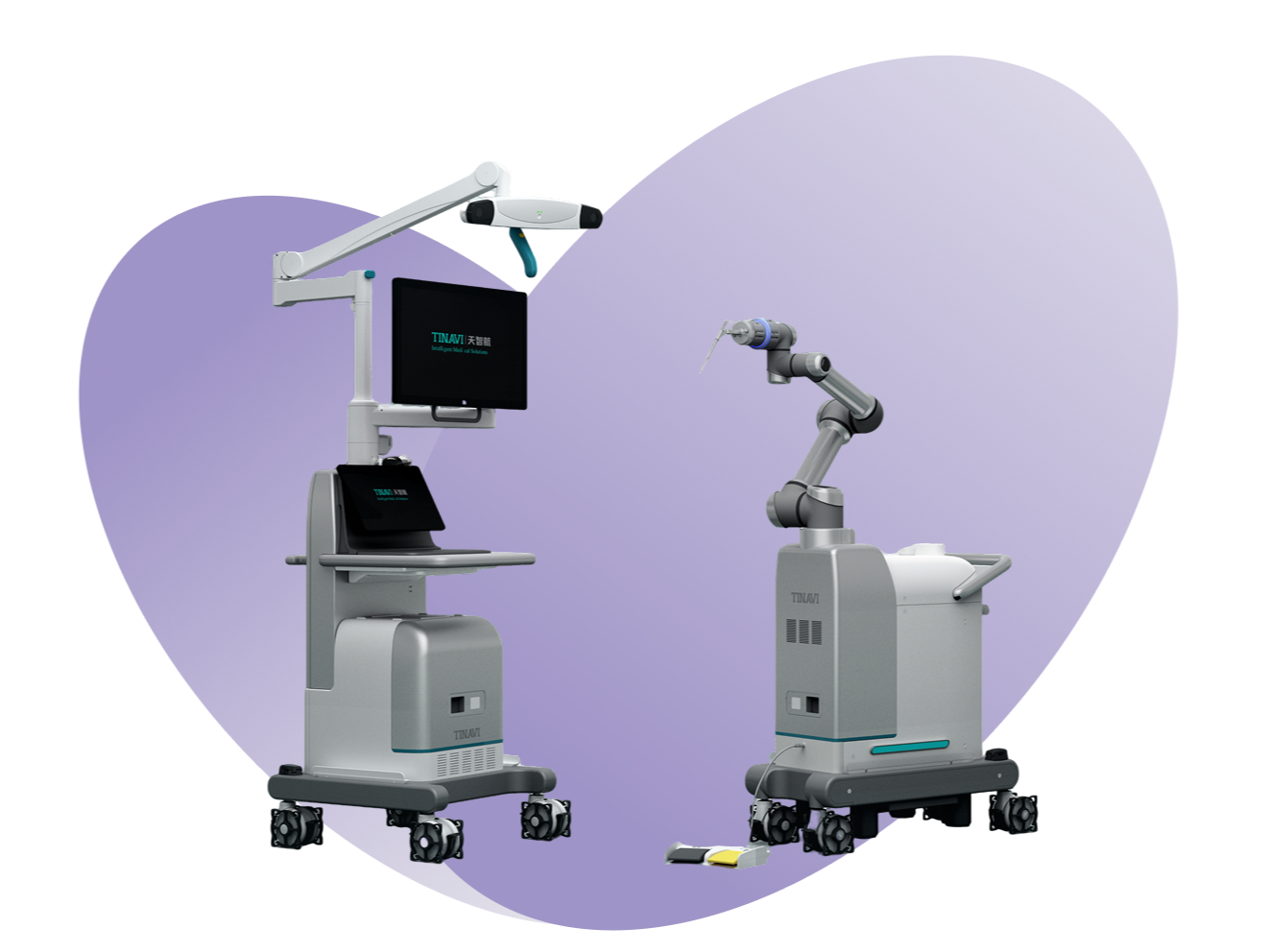
Radical Resection | Primarily open surgery; R0 resection rate <40%; complication rate >50% | Da Vinci Robotic Surgery: R0 resection rate >85%; blood loss <100ml |
Vascular Reconstruction | Available only in central hospitals; portal vein replacement success rate <60% | Nano-level vascular anastomosis technique; success rate reaches 90% |
Minimally Invasive Indications | Many advanced-stage patients forego surgery | Robotic surgery combined with Intraoperative Radiotherapy (IORT); conversion resection rate increased to 35% |
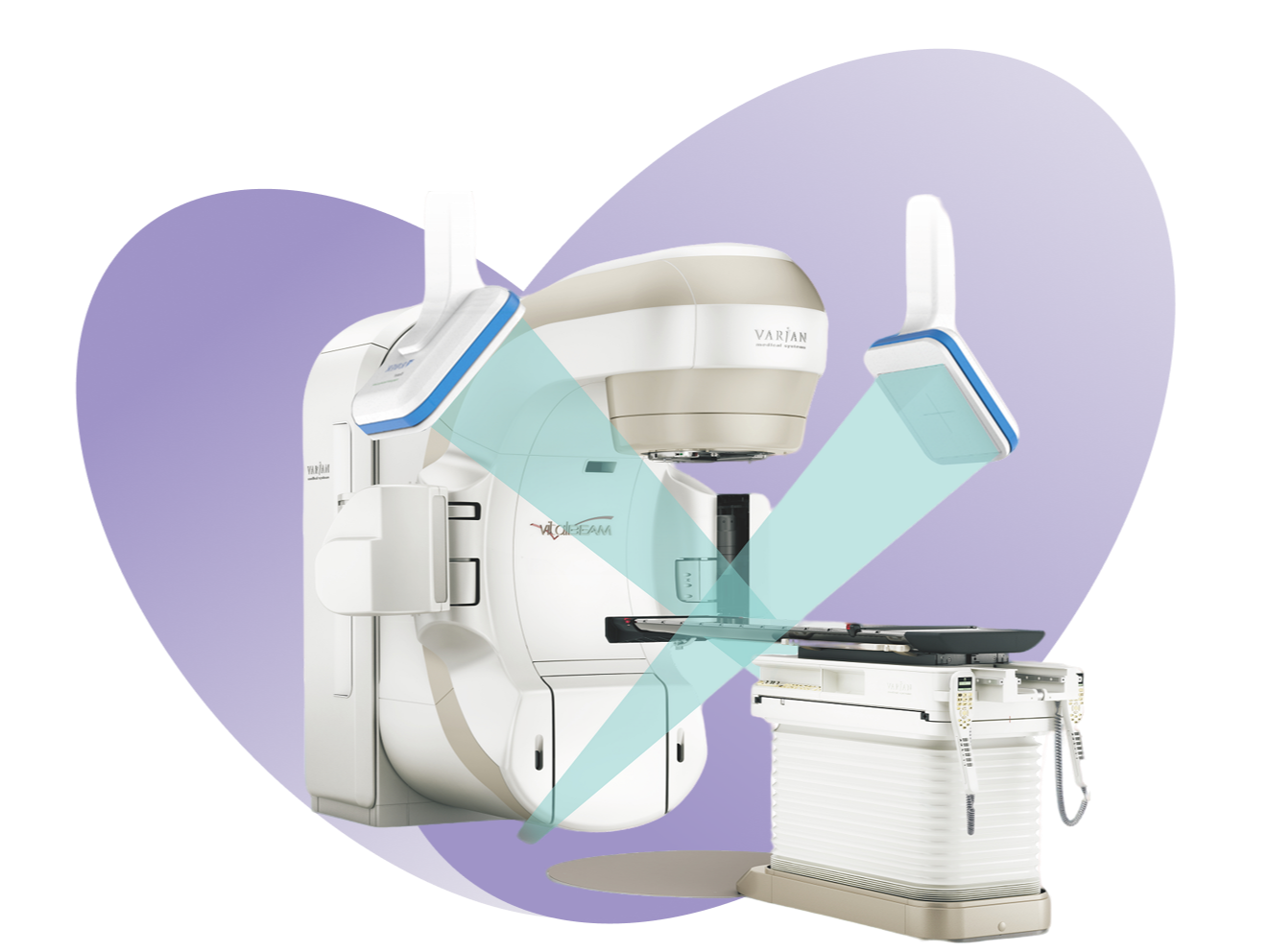
Precision Radiotherapy | Conventional radiotherapy damages adjacent organs | Sixth-Generation CyberKnife: 0.1mm precision tracking respiratory motion |
Neoadjuvant Therapy | Lack of coordination between radiotherapy and chemotherapy | SBRT + modified FOLFIRINOX regimen; surgical conversion rate increased by 50% |
Locally Advanced Survival Rate | <8% | >22% |
Resectable Survival Rate | <15% | >30% |
Quality of Life | High postoperative complication rate; poor functional preservation | In-situ organ reconstruction; excellent recovery of physiological function |